Removing old silicone sealant is a satisfying home maintenance task, but it’s far from a “risk-free” project. Whether you are stripping caulk from a shower enclosure, clearing an old window pane, or dissolving sealant on a kitchen countertop, you are almost always dealing with sharp edges, repetitive strain, and chemical fumes.
Before you grab a scraper or apply a solvent, you must prioritize your physical well-being. A small mistake with a utility knife or a splash of mineral spirits can quickly turn a quick DIY project into a painful injury. By investing in the essential safety gear for removing silicone sealant, you can focus on achieving that spotless, professional finish while ensuring you stay protected from start to finish.
This article outlines the six critical pieces of protective equipment you must wear before tackling any silicone removal job.
1. Hand Protection (Chemical and Cut Resistance)
Your hands are the most exposed part of your body during this process. A single piece of gear isn’t enough; you need a strategic approach involving two types of gloves.
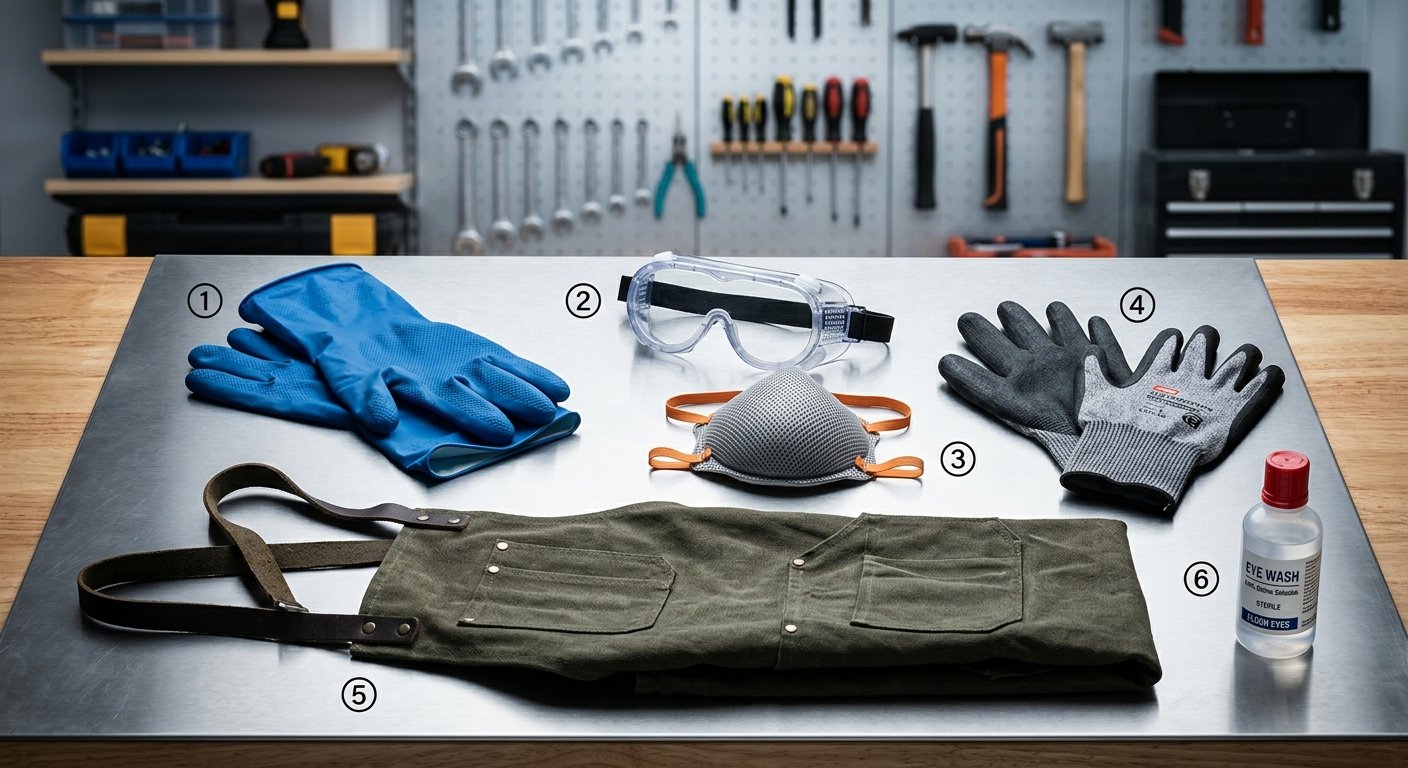
Chemical-Resistant Nitrile Gloves
Most heavy-duty silicone dissolvers, gel removers, and cleanup solvents like mineral spirits or denatured alcohol can cause severe skin irritation, chemical burns, or dermatitis upon contact. Standard latex or thin food-service vinyl gloves will dissolve in seconds when exposed to these chemicals.
You must use heavy-duty, industrial-grade nitrile gloves. These offer excellent chemical resistance and durability. For maximum protection, look for gloves with extended cuffs to protect your wrists from drips.
Cut-Resistant Mechanic Gloves (for scraping)
When you aren’t applying chemicals and are focused solely on mechanical scraping (using utility knives, razor blades, or 5-in-1 tools), you face a high risk of cuts. A common injury occurs when the scraper slips and slices the hand holding the workpiece.
For these non-chemical steps, switch to durable canvas, leather, or specialized cut-resistant mechanic gloves. These offer a buffer against accidental slips and punctures.
2. Safety Goggles with Side Shields
Protecting your eyes is non-negotiable. During silicone removal, two distinct hazards are present:
- Flying Debris: When scraping brittle, aged silicone, small hardened pieces can snap off and become airborne, often aiming straight for your face.
- Chemical Splashes: High-viscosity gel removers and liquid solvents can splash unpredictably when applied, especially when you are working overhead (like re-caulking a skylight or a ceiling seam).
Ordinary reading glasses or sunglasses offer no protection from side impacts. You need ANSI Z87.1 rated safety goggles or safety glasses that feature integrated side shields. Anti-fog coatings are a valuable bonus, especially when working in warm, humid bathrooms.
3. Respiratory Protection (Respirator Mask)
Silicone itself is generally low-odor, but the chemical agents used to remove it are not. Solvents like mineral spirits, isopropyl alcohol, and commercial silicone “digesters” release volatile organic compounds (VOCs) that can cause headaches, dizziness, and respiratory irritation when inhaled. Furthermore, removing old, moldy silicone can kick up harmful mold spores.
For any project where you are applying solvent or working in an enclosed space (like a small shower cubicle), you should wear respiratory protection. A lightweight, reusable respirator mask fitted with organic vapor cartridges is the gold standard for blocking solvent fumes. For less intensive jobs with good ventilation, a well-fitted N95 disposable mask is a minimum requirement to filter out mold and dried silicone dust.
4. Heavy-Duty Work Apron or Coveralls
Your clothes need protection just as much as your skin. Chemical removers are designed to dissolve tough polymers; they will ruin cotton t-shirts, synthetic fabrics, and jeans upon contact, often seeping through to your skin. Scraped silicone residue is also incredibly sticky and difficult to wash out of fabric.
Protect your everyday clothing by wearing a heavy-duty canvas work apron or disposable protective coveralls (like Tyvek). An apron is perfect for bench work or vertical surfaces, while full coveralls are ideal when you are crawling into tight spaces, like under a sink or inside a shower stall.
5. Knee Pads (for floor work)
This is the safety item DIYers most often forget, only to regret it hours later. Many silicone removal projects require you to spend significant time kneeling on hard, unforgiving surfaces: bathroom tile floors, kitchen countertops, window sills, or shower basins.
Without protection, the constant pressure causes significant knee pain and long-term joint strain. A simple pair of swivel-cap or soft gel knee pads will save you from days of discomfort, allowing you to focus on detailed scraping without being distracted by physical pain.
6. Proper Ventilation (The “Environmental” Gear)
While not a wearable item, proper ventilation is an absolutely critical system of safety gear. Fumes from chemical removers can quickly concentrate to dangerous levels in small rooms.
Before you start, make it part of your safety setup:
- Open all windows and doors to create cross-ventilation.
- Turn on the bathroom exhaust fan if working in a bathroom.
- Set up a portable box fan in the doorway, positioned to blow the fumes out of the workspace and away from your face.
Conclusion
Taking the time to assemble and wear the essential safety gear for removing silicone sealant is the difference between a successful, efficient DIY project and a potentially hazardous situation. By protecting your hands, eyes, lungs, and joints, you ensure that the only thing getting stripped away is the old sealant—not your physical well-being.
Before your next re-caulking job, perform a quick safety audit: check your gloves for leaks, verify your goggles are clean, and ensure you have the right respiratory protection ready to go.