

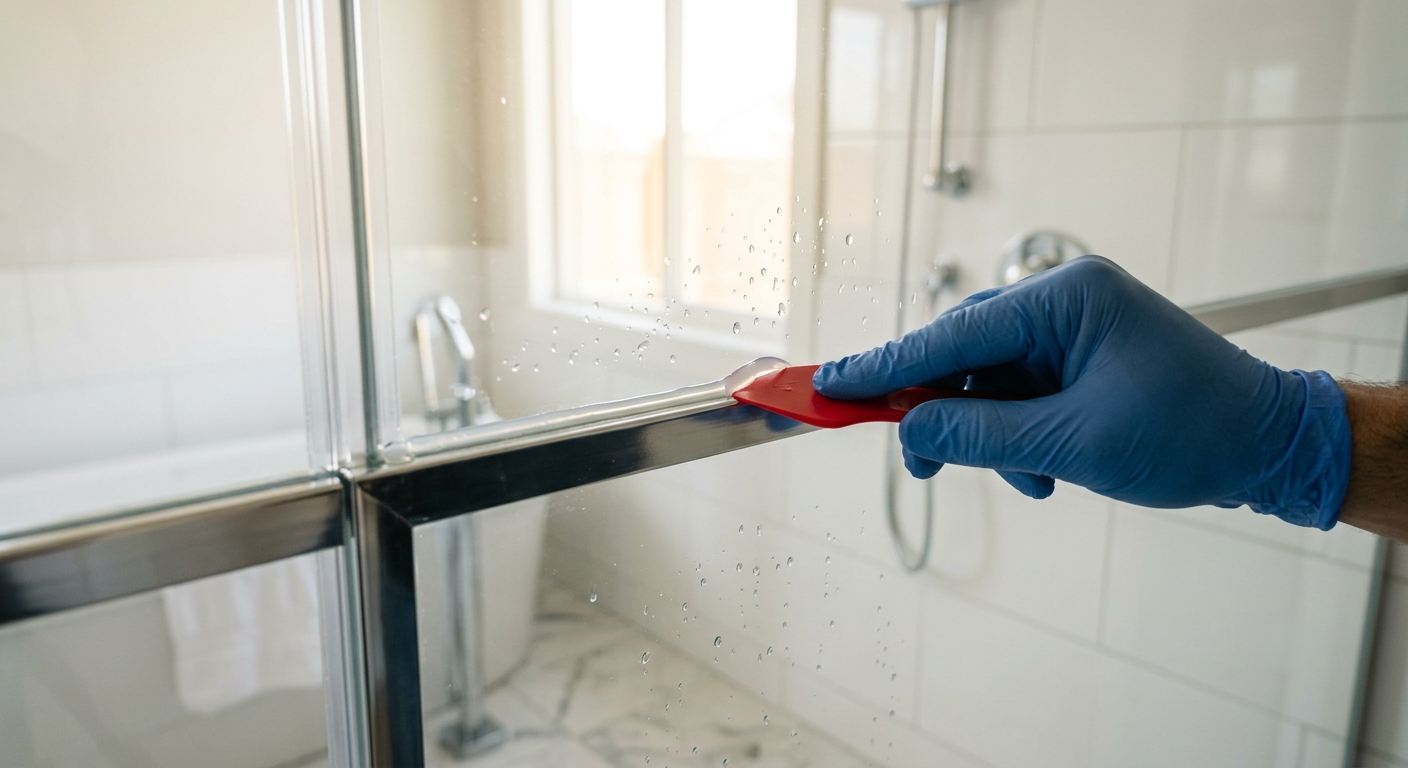
Old silicone sealant on glass is one of those small home maintenance jobs that can turn into a bigger headache than expected. Whether it’s a cracked bead around a shower door, leftover residue from a DIY project, or yellowed caulk along a window pane, knowing how to remove silicone from glass properly matters just as much as removing it at all. Use the wrong tool or technique, and you risk leaving behind fine scratches that are far more noticeable — and permanent — than the silicone ever was.
This guide walks through safe, tested methods for lifting silicone sealant off glass surfaces without damaging the glass underneath. You’ll learn which tools to use, which products actually work, and which shortcuts to avoid entirely.
Key Takeaways
- Never use metal blades or abrasive pads directly on glass; plastic scrapers are the safer starting point.
- Softening silicone before scraping (with heat or a solvent) makes removal far easier and reduces scratch risk.
- Isopropyl alcohol, white vinegar, and commercial silicone removers all work — the right choice depends on how old and cured the silicone is.
- Always test any product on a small, hidden section of glass first.
- Patience matters more than pressure — forcing a scraper across cured silicone is the most common cause of scratches.
Why Silicone Is Tricky to Remove from Glass
Silicone sealant is designed to bond tightly and flex without cracking, which is exactly what makes it durable around windows, shower enclosures, and glass tabletops. That same flexibility and adhesion, however, means it doesn’t just peel away cleanly once it cures. Fully cured silicone forms a rubber-like layer that grips onto glass at a microscopic level, so any tool used to lift it needs to separate the bond without dragging debris or grit across the surface.
Glass is harder than plastic but far more prone to visible surface scratching than surfaces like tile or metal, because scratches on glass catch and reflect light. This is why the tools and technique matter more here than almost any other surface in the home.
What You’ll Need
- A plastic razor blade or silicone-safe scraper (not a metal one)
- Isopropyl alcohol or a dedicated silicone remover
- A microfiber cloth
- White vinegar (optional, for softening)
- A hairdryer or heat gun (optional, for softening)
- Rubber gloves and safety glasses
Step-by-Step: How to Remove Silicone from Glass Without Scratching It
Step 1: Soften the Silicone First
Cured silicone is much harder to scrape cleanly, and forcing a blade across a hardened bead is where most scratches happen. Soften it first using one of these methods:
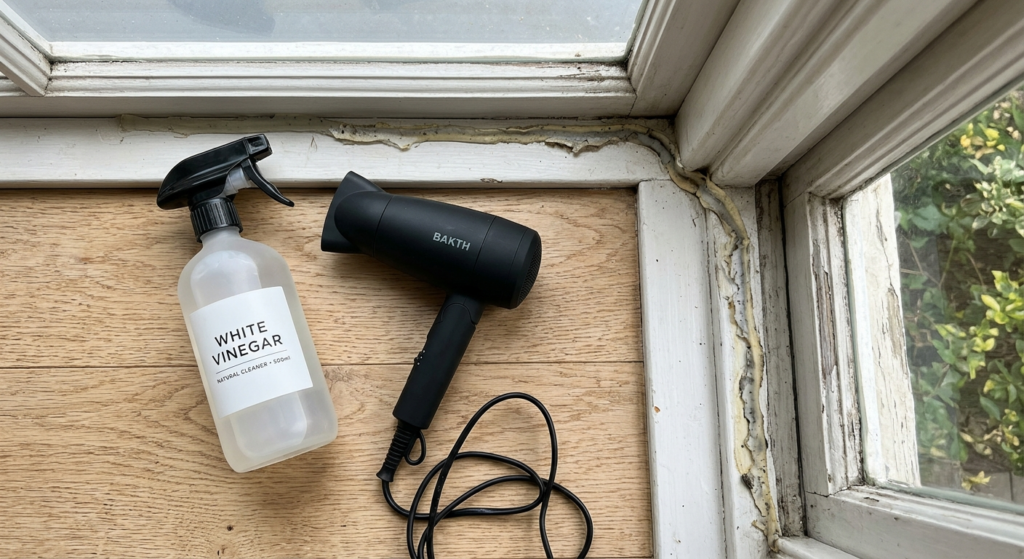
- Heat method: Use a hairdryer on medium heat, holding it 3–4 inches from the silicone for 2–3 minutes. This makes the material more pliable.
- Vinegar soak: Apply white vinegar directly to the silicone and let it sit for 15–20 minutes. Vinegar’s mild acidity breaks down the surface bond without harming glass.
- Commercial softener: A dedicated silicone remover gel clings to vertical surfaces better than liquid alcohol and typically needs 10–15 minutes of dwell time.
Step 2: Scrape at a Low Angle
Once softened, hold a plastic razor blade or scraper at roughly a 15–20 degree angle against the glass — almost flat, not upright. Push gently in one direction rather than sawing back and forth. A low angle distributes pressure across the blade edge instead of digging a corner into the glass, which is the main cause of unwanted scratching.
Work in small sections rather than trying to remove a long bead in one pass. This keeps you in control and reduces the temptation to apply extra pressure.
Step 3: Dissolve the Remaining Residue
After scraping off the bulk of the silicone, a thin film usually remains. This is where isopropyl alcohol earns its place in the toolkit:
- Soak a microfiber cloth in isopropyl alcohol (90% or higher works best).
- Lay the cloth over the residue for 5 minutes to let it penetrate.
- Wipe in small circular motions until the residue lifts.
Avoid using paper towels or abrasive sponges at this stage — they can introduce fine grit that scratches glass even when the silicone itself is gone.
Step 4: Polish and Inspect
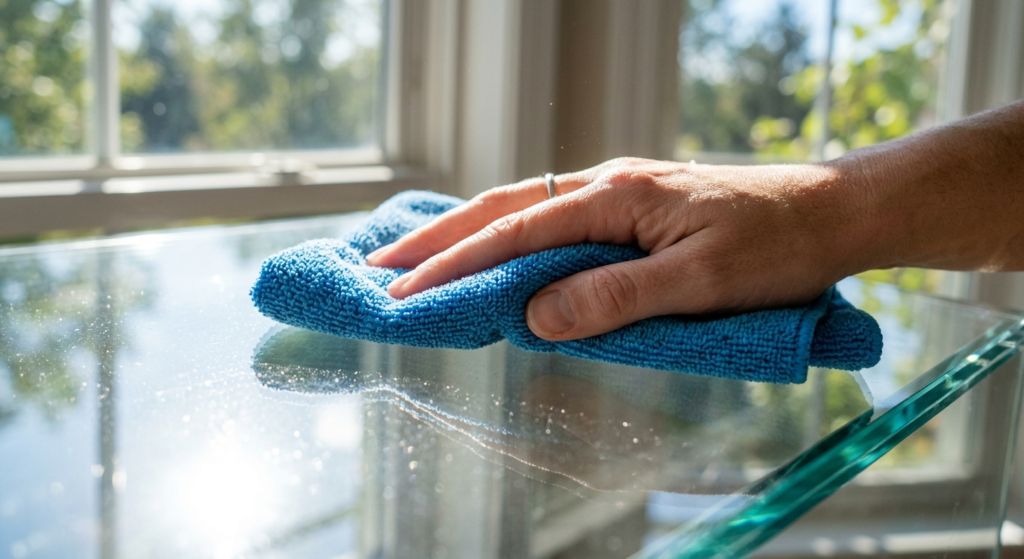
Once the surface feels smooth and residue-free, clean the glass with a standard glass cleaner and a dry microfiber cloth. Inspect the area under angled light — this makes any leftover haze or streaks easier to spot than looking at it straight-on.
Common Mistakes That Cause Scratches
- Using a metal razor blade at a steep angle. Even glass-rated blades can gouge the surface if held upright instead of nearly flat.
- Skipping the softening step. Trying to scrape fully cured, hardened silicone cold is the single biggest cause of visible scratch marks.
- Using abrasive scouring pads. These are designed for tougher surfaces and are too rough for glass.
- Applying too much downward pressure. Let the solvent do the work; the blade should glide, not dig.
How to Prevent Future Silicone Damage to Glass
- Reapply a fresh silicone bead as soon as the old one shows cracking or discoloration, rather than letting it fully degrade.
- Choose a mildew-resistant, glass-safe silicone sealant for bathroom and kitchen applications to slow future breakdown.
- Clean glass surfaces near silicone seals regularly to prevent soap scum from bonding with the sealant edge, which makes future removal harder.
Conclusion
Removing silicone from glass without scratching it comes down to patience and the right sequence: soften first, scrape gently at a low angle, dissolve the leftover residue, then polish. Skipping the softening step or reaching for a metal blade too early is where most people run into trouble. With the right tools and a little time, you can restore glass surfaces to a clean, scratch-free finish whether you’re prepping a window for re-caulking or simply cleaning up an old shower door.
Frequently Asked Questions
Does rubbing alcohol remove silicone from glass? Yes, isopropyl alcohol is effective at dissolving thin silicone residue left after the bulk of the sealant has been scraped away, though it typically won’t dissolve a thick, fully cured bead on its own.
What is the safest tool to remove silicone from glass? A plastic razor blade or silicone-safe scraper held at a low angle is the safest option, since it won’t dig into the glass surface the way a steep metal blade can.
Can vinegar damage glass when removing silicone? No, white vinegar’s mild acidity is safe for standard glass and is commonly used to soften silicone before scraping, though it should be avoided on natural stone surfaces nearby.
How long does it take to remove silicone from glass? A typical bead of silicone sealant can be softened and removed within 30–45 minutes, including softening time, scraping, and final residue cleanup.
Will silicone remover leave a residue on glass? Most commercial silicone removers are formulated to leave glass clean, but a final wipe with isopropyl alcohol or glass cleaner ensures no product residue remains.