

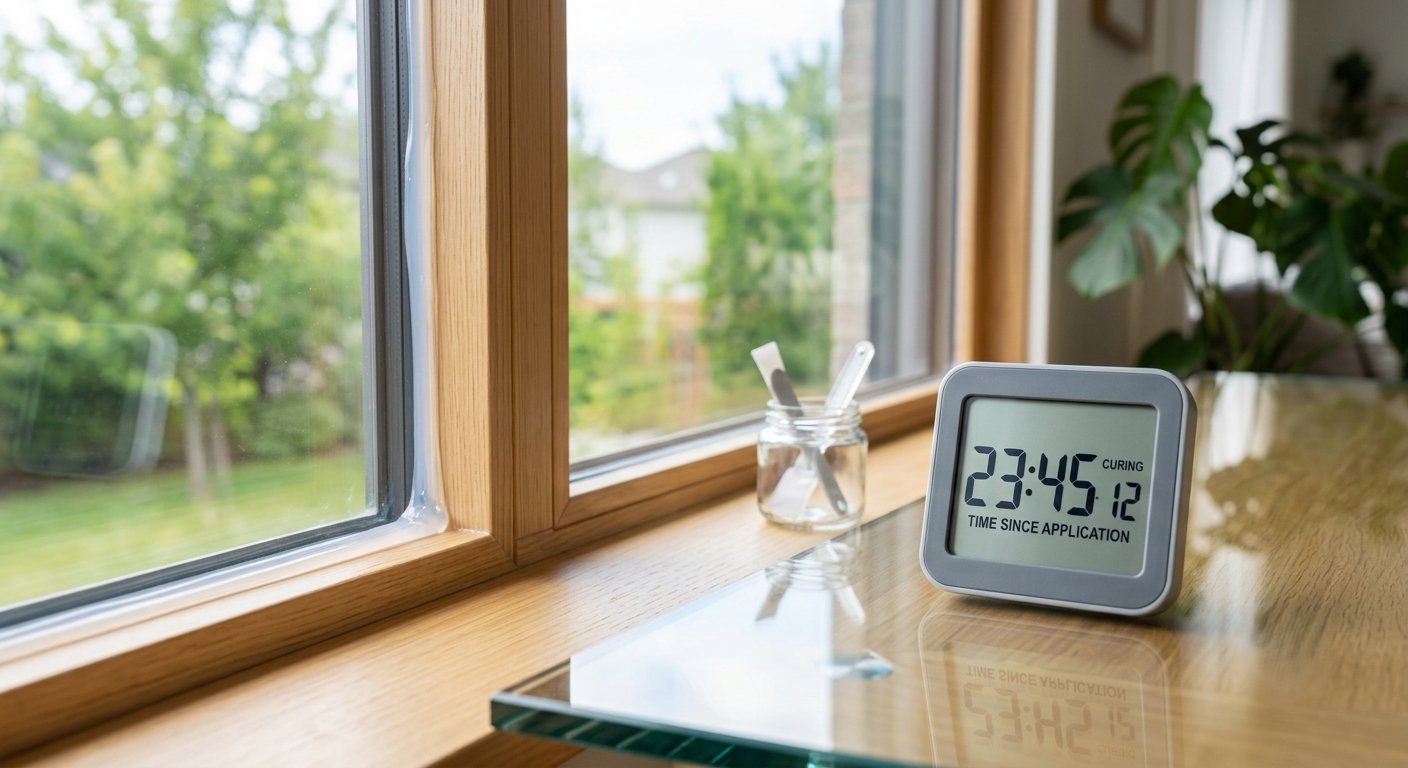
Timing plays a bigger role in silicone removal than most people expect. Whether you’re planning to clean up an accidental spill, correct a botched application, or simply understand why an old bead has become so stubborn, knowing how long does it take silicone to cure helps explain what you’re dealing with — and how much effort removal will realistically take.
Fresh, uncured silicone behaves very differently from silicone that’s had days, weeks, or years to fully harden. This guide breaks down realistic curing timelines and explains exactly how curing stage affects your removal approach.
Key Takeaways
- Silicone typically begins to skin over within 30 minutes but can take 24 to 72 hours to fully cure.
- Full cure time depends on humidity, temperature, bead thickness, and the specific silicone formula used.
- Silicone removed within the first hour is far easier to clean up than silicone left to fully harden.
- Fully cured silicone requires softening agents and gentle scraping, unlike fresh silicone, which often wipes away.
- Understanding cure stage helps you choose the right removal method and avoid unnecessary surface damage.
The Silicone Curing Process Explained
Silicone sealant cures through a chemical reaction with moisture in the air, gradually transforming from a soft, paste-like material into a firm, flexible, rubber-like seal. This process happens in stages rather than all at once, which is why the timing of removal matters so much.
Stage 1: Skinning (0–30 Minutes)
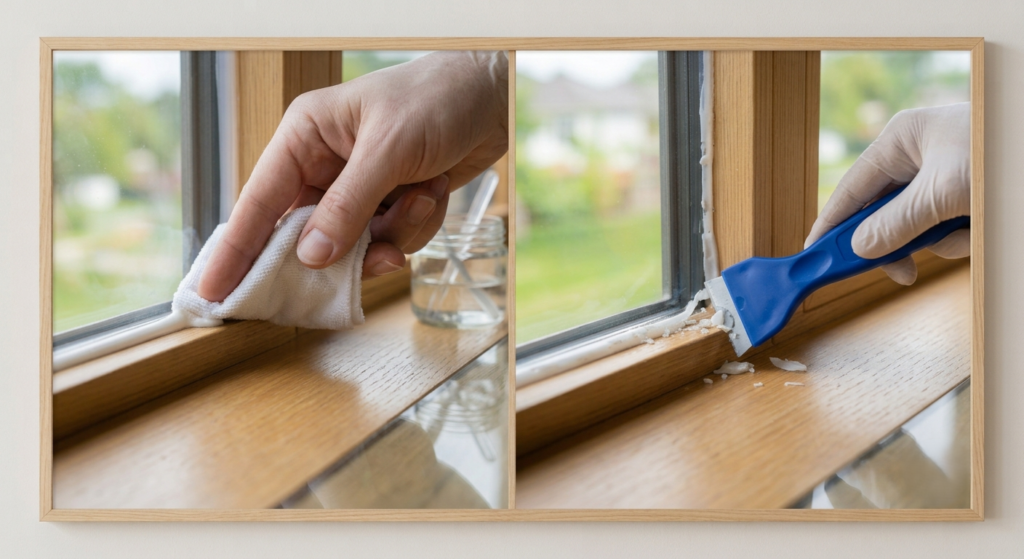
Within the first 30 minutes, silicone forms a thin outer “skin” while the material underneath is still soft. At this stage, silicone can often be wiped away with a cloth, though some smearing is common since the interior hasn’t set yet.
Stage 2: Surface Cure (1–24 Hours)
Over the following hours, the surface becomes firm to the touch, though the silicone underneath may still be slightly soft. Removal at this stage usually requires gentle scraping rather than wiping, but the material is still far more forgiving than fully cured silicone.
Stage 3: Full Cure (24–72 Hours)
Most silicone reaches full cure within one to three days, depending on the formula, thickness of the bead, and environmental conditions. Once fully cured, silicone forms a tough, flexible bond that resists most cleaning products and requires proper softening before it can be scraped away safely.
Factors That Affect Silicone Curing Time
Humidity Levels
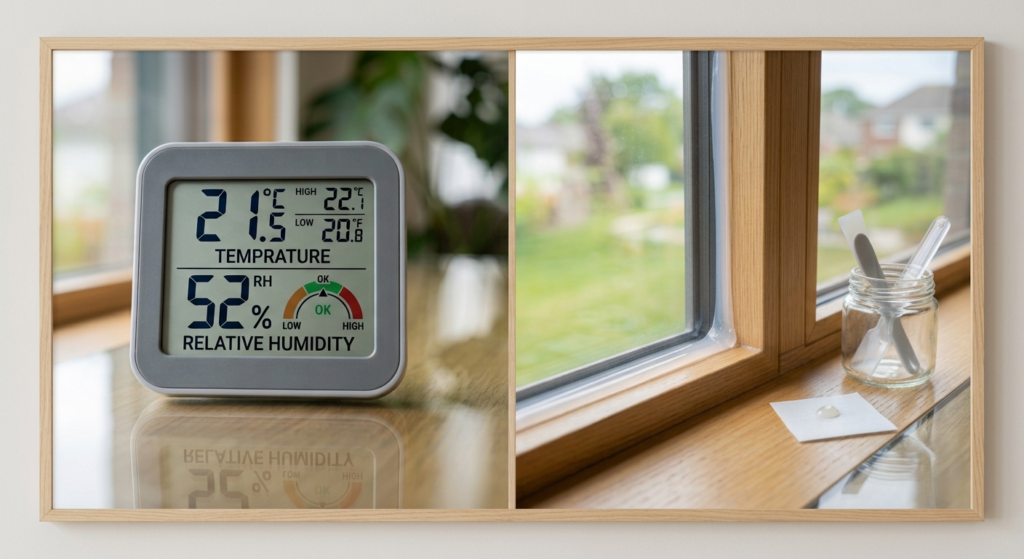
Silicone cures through a reaction with airborne moisture, so higher humidity generally speeds up the curing process, while dry conditions can slow it down significantly.
Temperature
Warmer temperatures typically accelerate curing, while cold conditions can extend the process well beyond the average window, sometimes doubling the time needed for a full cure.
Bead Thickness
A thin, even bead of silicone cures faster than a thick application, since the moisture-triggered reaction needs to penetrate deeper into thicker material, extending the overall cure time.
Silicone Formula Type
Not all silicone products cure at the same rate. Fast-curing formulas designed for quick repairs may reach full cure in under 24 hours, while standard construction-grade silicone often needs the full 72-hour window for a complete cure.
How Cure Stage Affects Removal Difficulty
Understanding how long does it take silicone to cure directly impacts which removal method will actually work:
- Fresh silicone (under 30 minutes): Often removable with a cloth and mild soap, with minimal effort.
- Partially cured silicone (1–24 hours): Usually requires gentle scraping with a plastic tool, since the material has firmed up but isn’t yet fully hardened.
- Fully cured silicone (24–72+ hours): Requires a softening agent such as vinegar, isopropyl alcohol, or a commercial remover before scraping, since the bond has fully set.
How to Tell If Silicone Has Fully Cured
A few simple checks can help determine cure stage before attempting removal:
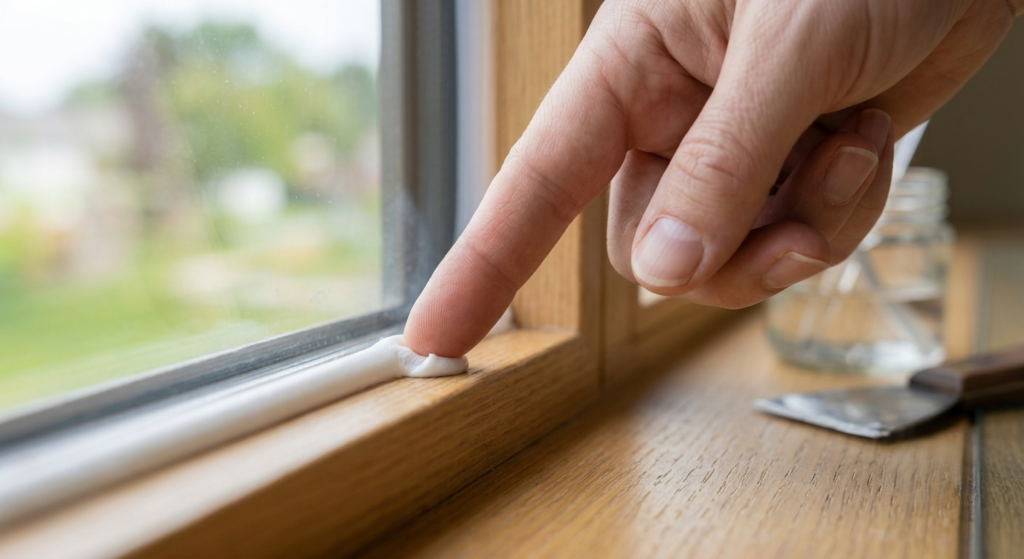
- Touch test: Fully cured silicone feels firm and slightly rubbery, with no tackiness remaining on the surface.
- Visual check: Cured silicone often loses its glossy, wet appearance and takes on a more matte, uniform texture.
- Time elapsed: If more than 72 hours have passed since application, it’s safe to assume the silicone has fully cured in most standard conditions.
Common Mistakes Related to Cure Time
- Trying to remove silicone too early with force. This often smears uncured material further rather than lifting it cleanly.
- Assuming all silicone cures at the same rate. Formula type and environmental conditions can shift cure time significantly.
- Skipping softening agents on fully cured silicone. Attempting to scrape hardened silicone without softening it first increases the risk of surface damage.
- Resealing over silicone that hasn’t fully cured. This can trap moisture and lead to premature seal failure.
Conclusion
Knowing how long does it take silicone to cure isn’t just a curiosity — it directly shapes the right removal strategy for the job in front of you. Fresh silicone wipes away easily, partially cured silicone needs gentle scraping, and fully cured silicone requires proper softening before it can be safely removed. Factoring in humidity, temperature, and bead thickness gives you a realistic picture of what to expect, whether you’re cleaning up a recent mistake or tackling an old, hardened bead.
Frequently Asked Questions
How long does silicone take to fully cure? Most silicone sealants reach a full cure within 24 to 72 hours, depending on humidity, temperature, and the thickness of the applied bead.
Can you remove silicone before it fully cures? Yes, silicone removed within the first 30 minutes can often be wiped away with a cloth, while partially cured silicone within the first 24 hours typically requires gentle scraping.
Does humidity affect how long silicone takes to cure? Yes, higher humidity generally speeds up curing since silicone reacts with moisture in the air, while dry environments can extend the process considerably.
Is fully cured silicone harder to remove than fresh silicone? Yes, fully cured silicone forms a tough, rubber-like bond that requires a softening agent before it can be scraped away, unlike fresh silicone which is often still workable.
How can you tell if silicone has finished curing? A touch test is the most reliable method — fully cured silicone feels firm and rubbery with no tackiness, and typically takes on a matte rather than glossy appearance.