

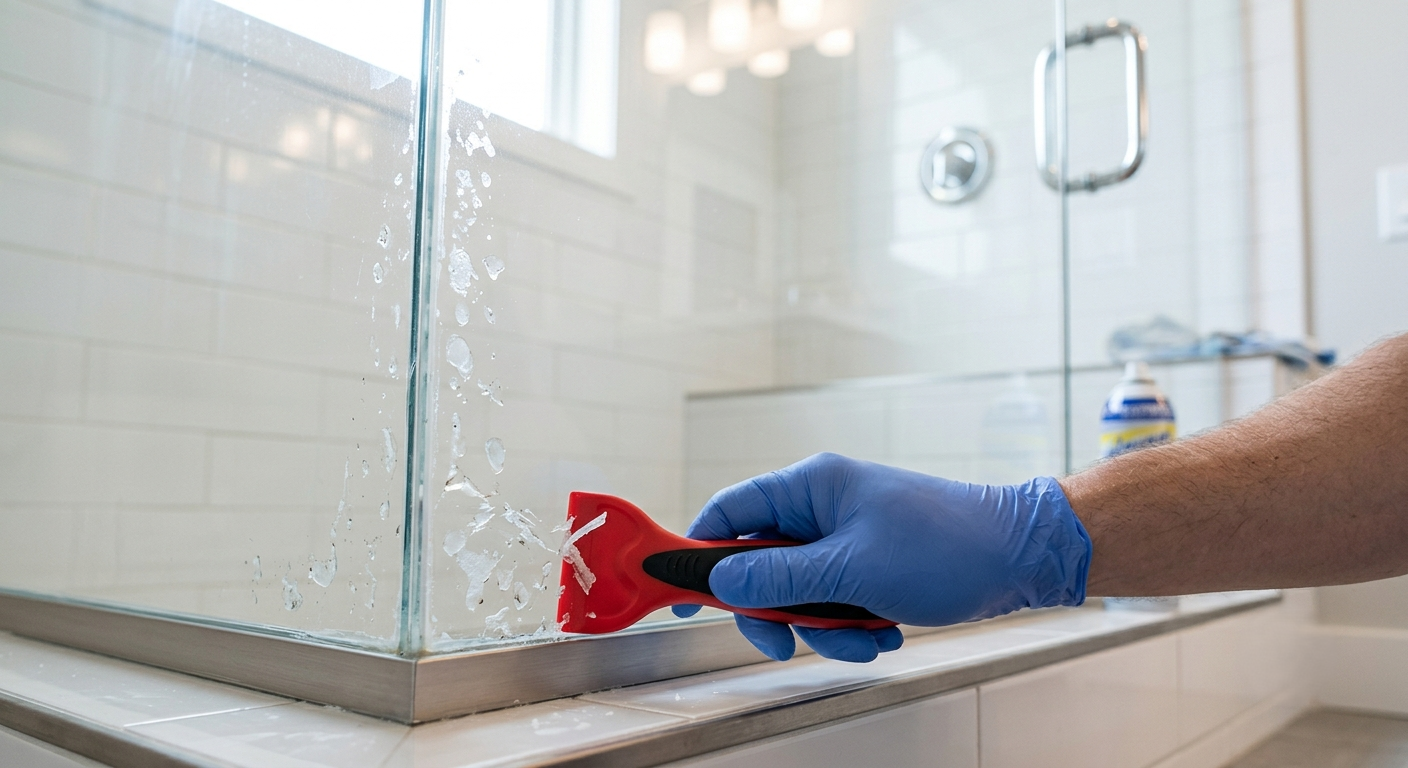
Dried silicone on a glass door is one of the more stubborn cleanup jobs in the home, whether it’s a splatter left behind from a resealing project or an old bead that’s shrunk and hardened over time. Unlike fresh silicone, which wipes away easily, dried silicone bonds tightly to glass and resists most standard cleaning products. Knowing how to remove dried silicone from glass doors the right way is the difference between a spotless, streak-free finish and a surface covered in fine scratches.
This guide walks through the most effective, glass-safe method for lifting dried silicone spots and residue, along with the tools and techniques that actually work.
Key Takeaways
- Dried silicone needs to be softened before scraping — trying to remove it cold increases the risk of scratches.
- Plastic scrapers, not metal blades, are the safer choice for glass doors.
- Isopropyl alcohol is the most effective solvent for dissolving leftover residue after the main removal.
- Small, stubborn spots often respond better to repeated softening than to extra scraping pressure.
- A final polish with glass cleaner reveals any missed spots that need a second pass.
Why Dried Silicone Is So Difficult to Remove
Once silicone cures, it forms a flexible, rubber-like bond that resists most cleaning agents and doesn’t dissolve the way fresh silicone does. On glass specifically, this creates a unique challenge: the surface is smooth and hard, but also easily scratched by anything abrasive enough to physically scrape the silicone off. This means the safest approach to remove dried silicone from glass doors always starts with softening the material first, rather than relying purely on scraping force.
Sunlight and heat exposure — common on shower doors and patio glass doors — also accelerate how quickly silicone fully cures and hardens, making bathroom and outdoor glass doors especially prone to stubborn residue.
Tools and Materials You’ll Need
- Plastic razor blade or silicone-safe scraper
- Isopropyl alcohol (90% or higher)
- White vinegar (optional, for softening)
- Microfiber cloths
- Hairdryer or heat gun (optional)
- Rubber gloves and safety glasses
- Standard glass cleaner (for final polish)
Step-by-Step: How to Remove Dried Silicone from Glass Doors
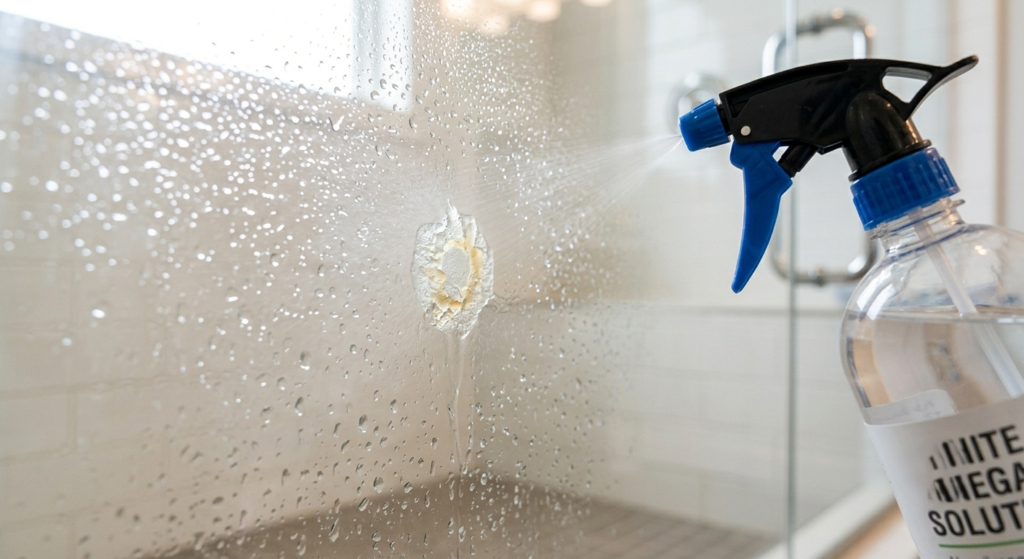
Step 1: Identify and Soften the Silicone Spots
Before touching a scraper to the glass, apply a softening agent directly to the dried silicone. Options include:
- White vinegar: Apply and let sit for 15–20 minutes.
- Silicone remover gel: Apply and let sit for 10–15 minutes, following the product’s instructions.
- Heat: Use a hairdryer on medium heat for 2–3 minutes to make the silicone more pliable.
Softening is the single most important step for avoiding scratches, since it reduces the force needed during scraping.
Step 2: Scrape at a Low, Flat Angle
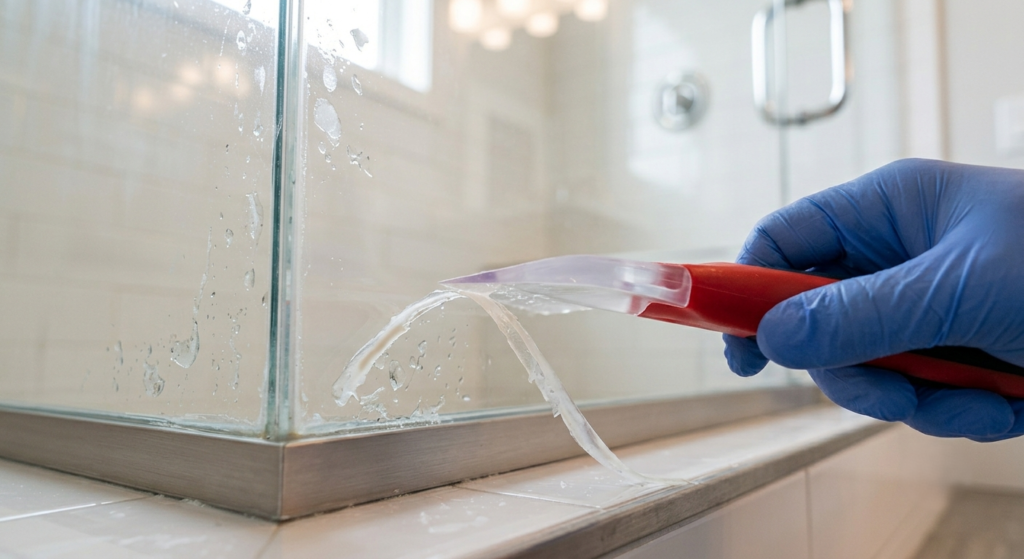
Once softened, hold a plastic razor blade or scraper nearly flat against the glass — around a 15–20 degree angle. Push gently in one direction rather than scrubbing back and forth, which reduces friction and pressure on any single point of the glass.
For thicker dried spots, work the edges first before moving toward the center, which helps lift the silicone in one piece rather than smearing it further into the glass.
Step 3: Dissolve the Leftover Film
After scraping away the main deposits, a faint film or haze usually remains. Soak a microfiber cloth in isopropyl alcohol and lay it over the area for 5 minutes before wiping in small circular motions. Repeat as needed on particularly stubborn patches.
Step 4: Re-Treat Stubborn Spots
If any dried silicone resists the first round of softening and scraping, avoid pressing harder with the scraper. Instead, reapply the softening solution and give it more dwell time — patience is far safer for the glass than added force.
Step 5: Final Clean and Polish
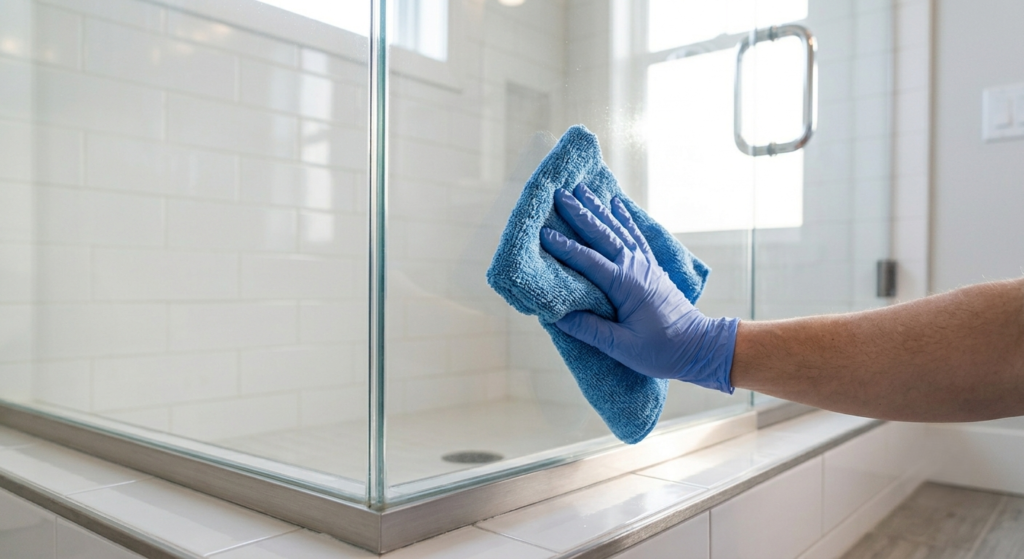
Once all silicone and residue are removed, clean the entire glass door with a standard glass cleaner and a lint-free cloth. Check the surface under angled light, which makes any remaining haze, streaks, or missed spots easier to spot than looking at it head-on.
Removing Dried Silicone from Different Types of Glass Doors
- Shower doors: Expect faster curing due to heat and humidity; softening time may need to be extended slightly.
- Patio and sliding glass doors: Outdoor exposure to sun can harden silicone further, so heat-based softening tends to work especially well here.
- Cabinet glass doors: Smaller surface area makes spot-treatment with a cotton swab and alcohol more practical than full-surface softening.
Common Mistakes to Avoid
- Scraping without softening first. This is the number one cause of visible scratches on glass doors.
- Using a metal blade at a steep angle. Even careful use can gouge glass if the blade isn’t held nearly flat.
- Using abrasive sponges or scouring pads. These introduce fine grit that scratches glass even after the silicone is gone.
- Rushing stubborn spots. Reapplying solvent and waiting is safer than increasing scraping pressure.
Conclusion
Learning how to remove dried silicone from glass doors comes down to one core principle: soften before you scrape. Rushing straight to a blade on hardened silicone is where most scratches happen, while a patient approach — softening, scraping at a low angle, dissolving residue, and polishing — consistently delivers a clean, scratch-free result. Whether it’s a shower door, patio door, or cabinet glass, this method works reliably across almost any glass surface in the home.
Frequently Asked Questions
How do you remove dried silicone from a glass shower door without scratching it? Softening the silicone first with vinegar, heat, or a silicone remover gel, then scraping at a low angle with a plastic tool, is the safest method to avoid scratching shower door glass.
Does isopropyl alcohol remove dried silicone from glass? Isopropyl alcohol is highly effective at dissolving thin residue and haze left after the main silicone deposit has been scraped away, though it may not fully dissolve thick, hardened spots on its own.
Can you use a razor blade on glass doors to remove silicone? Yes, but only a plastic razor blade held nearly flat against the glass is recommended, since metal blades held at a steep angle can scratch the surface.
Why does silicone dry so hard on glass doors? Heat and humidity, common in bathrooms, accelerate the curing process, causing silicone to harden into a tougher, more adhesive layer than it would in cooler, drier conditions.
How long does it take to soften dried silicone before removal? Most softening methods, including vinegar soaks and silicone remover gels, need 10 to 20 minutes of dwell time before the silicone becomes pliable enough to scrape safely.